 Free account
Wooden Box and Chest Plans
These wooden box plans build boxes and chests from plywood or boards: a small jewelry box with a lift-out tray, a hope chest for blankets, a traditional tool chest with a sliding tray, and a 3-in-1 plyo box for box jumps. Type the size you need and every wall, bottom and lid is recalculated.
Wooden Box and Chest Plans
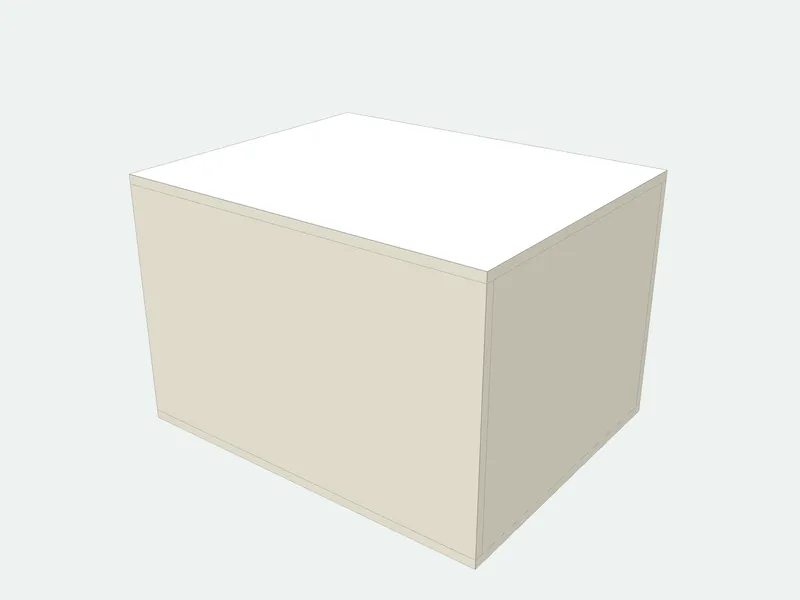
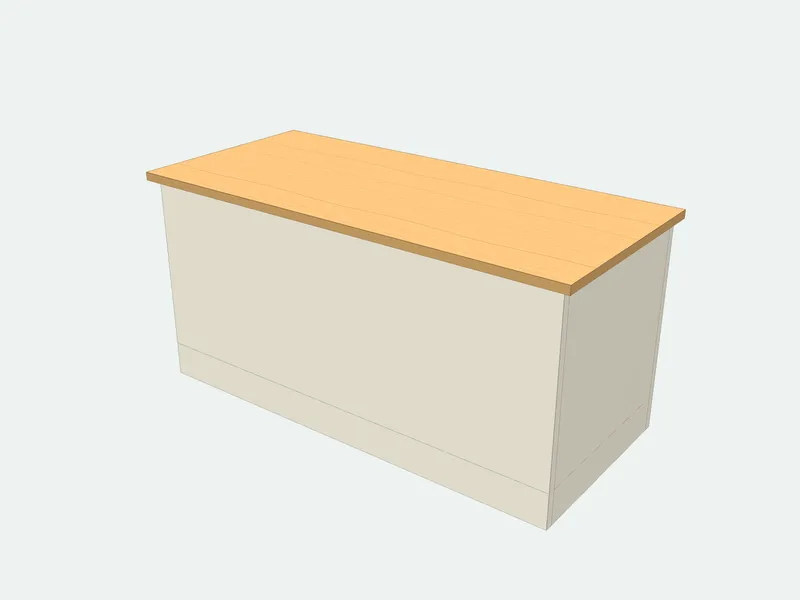
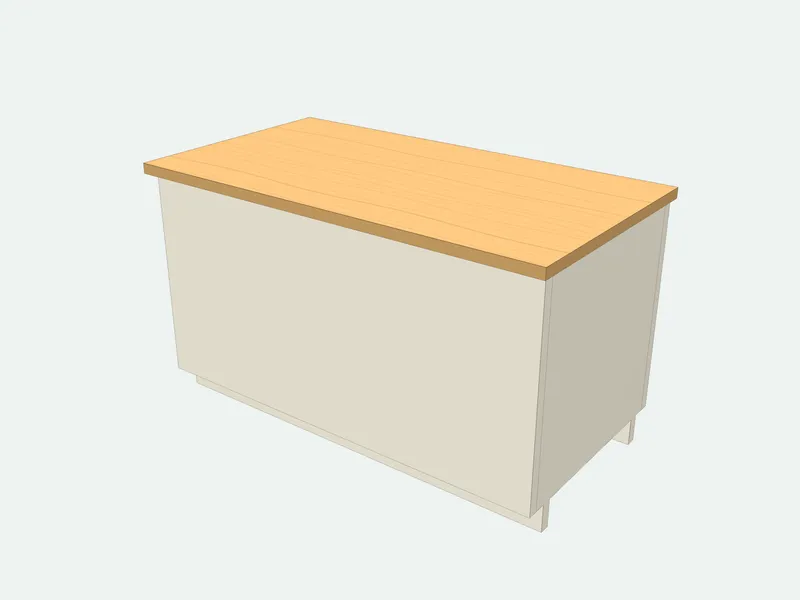
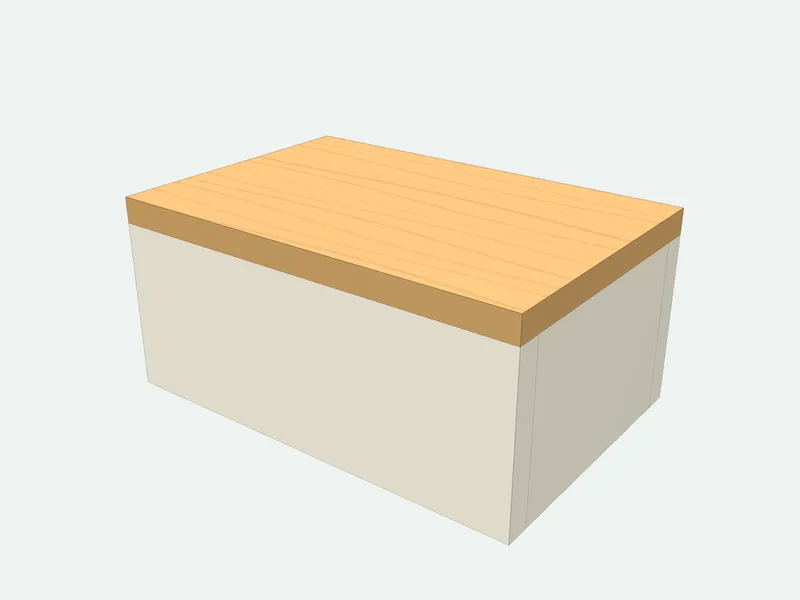
Building a box is the classic first woodworking project: square cuts, glue and screws or simple rabbet joints. Small wood boxes look best in thin boards (10–12 mm); chests and plyo boxes need 18 mm (3/4 in) plywood.
Typical box and chest sizes
| Dimension | Metric | Imperial |
|---|---|---|
| Jewelry box | 300 × 200 × 120 mm | 12 × 8 × 4 3/4 in |
| Hope or blanket chest | 1000 × 450 × 500 mm | 40 × 18 × 20 in |
| Tool chest | 760 × 400 × 450 mm | 30 × 16 × 18 in |
| Plyo box | 508 × 610 × 762 mm | 20 × 24 × 30 in |
Guides
Dado and Rabbet JointsWhat dado and rabbet joints are, how they differ, how deep to cut them in plywood, and how to cut them with a table saw, a router or a circular saw.How to Finish Plywood EdgesHow to finish plywood edges: iron-on edge banding, solid wood edging, filler for paint, rounding over the layers, and sealing edges for outdoor use.How to Stain PlywoodHow to stain plywood evenly: sand to 180, use a conditioner or gel stain, test on an offcut and seal the edges. The best stains for birch and pine plywood.Types of Wood JointsThe main types of wood joints explained: butt, rabbet, dado, dowel, biscuit, pocket hole, mortise and tenon, dovetail, and which to use in plywood and MDF.
Frequently asked questions
What is the easiest wooden box to build?
A butt-jointed box: four walls glued and screwed round a bottom, with a flat lid on two hinges. Rabbets at the corners make it stronger and hide the end grain.
What wood is best for boxes?
Baltic birch plywood stays flat and does not split; hardwood such as walnut or cherry suits small boxes, and aromatic cedar lines chests.
Do chests need a lid stay?
Yes: a lid stay holds the lid open and stops it slamming. Never fit a latch to a chest a child could climb into.